Schedule Your Consultation with Our Experienced Spine Orthopaedic Surgeon Today.
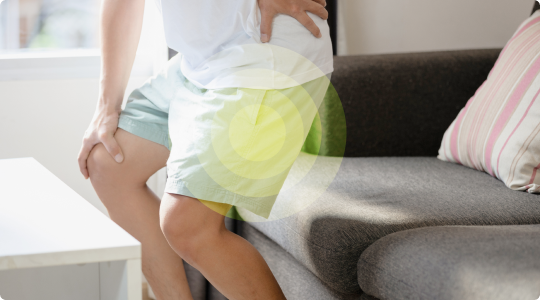
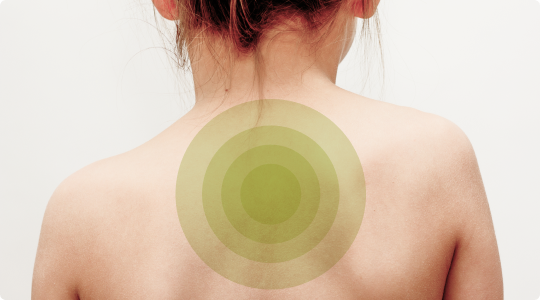
Chronic or severe back pain that does not improve with rest, medication, or conservative treatments such as physical therapy.
Pain that radiates down your leg(s) or arm(s), often accompanied by numbness, tingling, or weakness, which may indicate nerve compression.
Shoulder imbalance, asymmetrical waistlines with prominent hip, abnormal protuberance of ribs as a result of scoliosis.
Stoop posture with hunchback.
Difficulty walking, standing, or performing daily activities due to spine-related conditions.
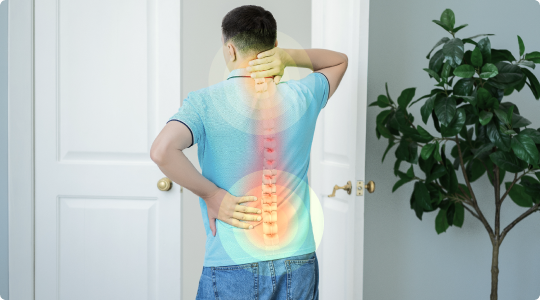
Discomfort or soreness in the neck area, often caused by muscle strain, poor posture, or underlying spine conditions like disc herniation or cervical stenosis.
If you have experienced a significant injury to your spine, such as a fall, car accident, or sports injury, and are experiencing persistent pain or other symptoms.
Symptoms that are getting worse over time, indicating a worsening condition that may require surgical intervention to prevent further damage.
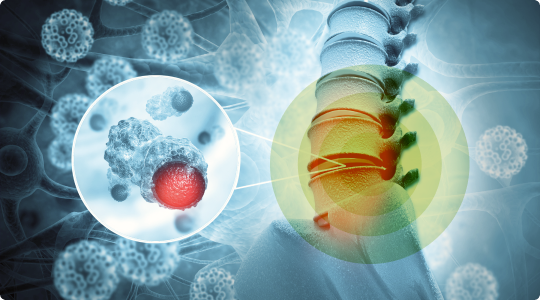
If imaging tests (such as MRI or CT scan) reveal structural abnormalities in your spine, such as herniated discs, spinal stenosis, or spinal growth (tumours).
When the soft inner material of a disc protrudes through the tough outer layer, often causing pain and nerve compression.
Symptoms:
✔ Back pain/neck pain
✔ Radiating pain
✔ Numbness or tingling sensation
✔ Muscle weakness
✔ Bowel or bladder dysfunction
Narrowing of the spinal canal or nerve openings, leading to pressure on the spinal cord or nerves and resulting in pain, numbness, or weakness.
Symptoms:
✔ Reduced walking distance with calf cramps
✔ Stoop forward posture
Wear and tear on the discs over time, causing pain, stiffness, and reduced flexibility in the spine.
Symptoms:
✔ Back pain
✔ Neck pain
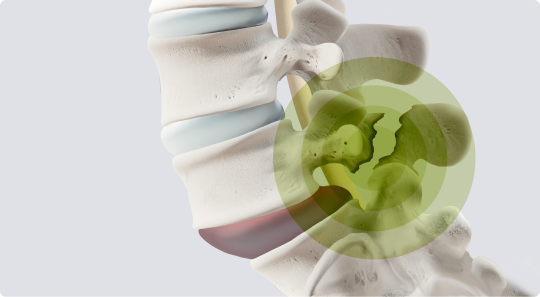
When one vertebra slips forward over another, usually due to a stress fracture or degenerative changes, leading to back pain and potential nerve compression.
Symptoms:
✔ Back pain
✔ Reduced walking distance with calf cramps
✔ Morning start-up pain
✔ Stiffness
Breaks or cracks in the vertebrae, which can result from trauma or osteoporosis, causing severe pain and potentially affecting spinal stability.
Symptoms:
✔ Severe back pain
✔ Severe neck pain
Compression or irritation of the sciatic nerve, typically causing pain that radiates from the lower back down one or both legs.
Symptoms:
✔ Localised pain over the sacro-iliac joint(s)
Conditions like scoliosis (abnormal curvature of the spine), kyphosis (excessive forward curvature of the upper spine), or lordosis (excessive inward curvature of the lower spine), which may require treatment to alleviate symptoms and prevent complications.
Symptoms:
✔ Back pain
✔ Radiating pain
✔ Reducing walking distance
✔ Reduced energy level
Abnormal growths in or around the spinal cord or vertebrae, which can be cancerous or non-cancerous and may cause pain, neurological symptoms, or spinal instability.
Symptoms:
✔ Unremitting back pain
✔ Night pain
✔ Weight loss
✔ Loss of appetiteÂ
When the soft inner material of a disc protrudes through the tough outer layer, often causing pain and nerve compression.
Symptoms:
✔ Back pain/neck pain
✔ Radiating pain
✔ Numbness or tingling sensation
✔ Muscle weakness
✔ Bowel or bladder dysfunction
Narrowing of the spinal canal or nerve openings, leading to pressure on the spinal cord or nerves and resulting in pain, numbness, or weakness.
Symptoms:
✔ Reduced walking distance with calf cramps
✔ Stoop forward posture
Wear and tear on the discs over time, causing pain, stiffness, and reduced flexibility in the spine.
Symptoms:
✔ Back pain
✔ Neck pain
When one vertebra slips forward over another, usually due to a stress fracture or degenerative changes, leading to back pain and potential nerve compression.
Symptoms:
✔ Back pain
✔ Reduced walking distance with calf cramps
✔ Morning start-up pain
✔ Stiffness
Breaks or cracks in the vertebrae, which can result from trauma or osteoporosis, causing severe pain and potentially affecting spinal stability.
Symptoms:
✔ Severe back pain
✔ Severe neck pain
Inflammation of the sacroiliac joint
Symptoms:
✔ Localised pain over the sacro-iliac joint(s)
Conditions like scoliosis (abnormal curvature of the spine), kyphosis (excessive forward curvature of the upper spine), or lordosis (excessive inward curvature of the lower spine), which may require treatment to alleviate symptoms and prevent complications.
Symptoms:
✔ Back pain
✔ Radiating pain
✔ Reducing walking distance
✔ Reduced energy level
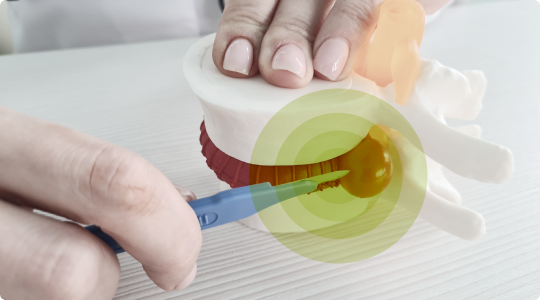
Abnormal growths in or around the spinal cord or vertebrae, which can be cancerous or non-cancerous and may cause pain, neurological symptoms, or spinal instability.
Symptoms:
✔ Unremitting back pain
✔ Night pain
✔ Weight loss
✔ Loss of appetiteÂ
Dr Lau is a highly skilled orthopaedic surgeon with more than 13 years of experience in the practice of spine surgery. He is experienced in both the operative and non-operative care of spinal conditions that span a wide spectrum of pathologies across all age groups. Whilst in public service, he routinely managed a high volume of patients and performed hundreds of surgeries annually.
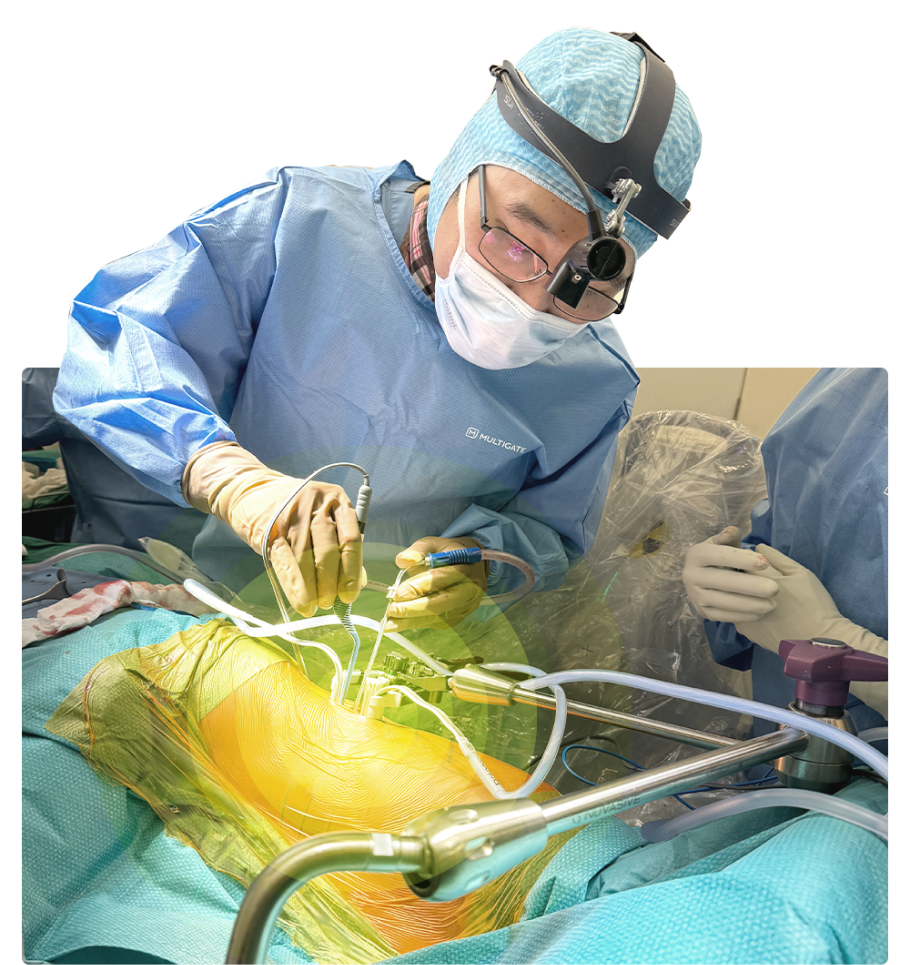
He embraces technology such as vertebral-body tethering (VBT), robotic surgery, endoscopic deformity correction surgery and 3-D printing, where suitable, to optimise the care and safety of his patients. In the course of his work, many of his patients benefitted from his personal touch.
He is a recognised leader in the field of spine surgery and presents regularly at national and international medical conferences. He regularly volunteered his expertise at the Cerebral Palsy Alliance of Singapore (CPAS).
Languages Spoken: English, Mandarin, Malay, Chinese dialects (Hokkien, Cantonese)
If you frequently experience joints giving way, feel unstable, or if you have recurrent dislocations.
If you experience persistent numbness or tingling in your limbs, especially if it’s accompanied by weakness.
Swelling around a joint that doesn’t improve with rest and elevation may indicate an underlying orthopaedic issue.
Following a significant injury, such as a fracture, dislocation, or sports-related injury, it’s essential to consult with an orthopaedic surgeon to assess the extent of the damage and determine the best course of treatment.
If you notice a significant reduction in your ability to move a joint or if you experience stiffness that impairs your mobility.
If you have persistent pain in your joints, muscles, or bones that don’t improve with rest, over-the-counter medications, or other non-invasive treatments.